Give Maloney-Shamie-Hura Vision Institute a phone call at (310) 882-6365
Book Now Opens in new window Contact

Replacing Your Natural Lens to Improve Vision at All Distances

When cataract surgery is performed, your clouded natural lens is removed and replaced with an artificial intraocular lens (IOL). The lens you choose determines the quality and range of your vision for the rest of your life.

Standard monofocal lenses correct vision at one distance only — typically distance — leaving most patients dependent on reading glasses. Extended Range, also called Extended Depth of Focus (EDOF), lenses work differently. Rather than splitting incoming light into separate focal points, they extend it along a single, elongated focal zone. The result is crisp distance vision and strong intermediate sight — ideal for driving, screens, and most daily activities — with a natural visual quality that feels closer to how you saw before cataracts.

Why Patients Choose Extended Range Over Other Lens Options:

Compared to standard monofocal lenses, Extended Range lenses dramatically reduce dependence on glasses for everyday tasks. Compared to multifocal lenses, which divide light into three distinct focal zones, EDOF lenses produce fewer visual disturbances at night, including the halos and glare that some multifocal patients find difficult to adapt to. For active patients who drive frequently or spend significant time in front of screens, the difference is meaningful.


Schedule a Consultation

Contact Us
Contact media
Contact media

How Do They Work?

EDOF lenses use a graduated change in surface curvature, rather than distinct optical zones, to extend your depth of focus naturally. Where a multifocal lens essentially asks your brain to select from three focal points, an EDOF lens gives it a continuous range to work with, which most patients adapt to more quickly and comfortably. 

video thumbnail

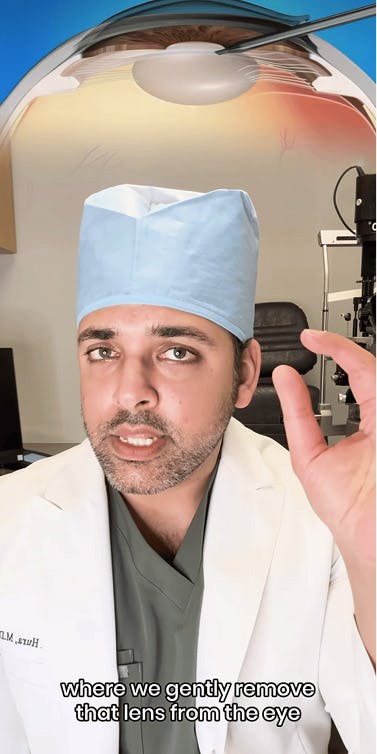
What Is The Extended Range Lens?

video thumbnail

Who Is A Good Candidate For Extended Range Lenses?

eye icon

Why Choose Maloney-Shamie-Hura Vision Institute?

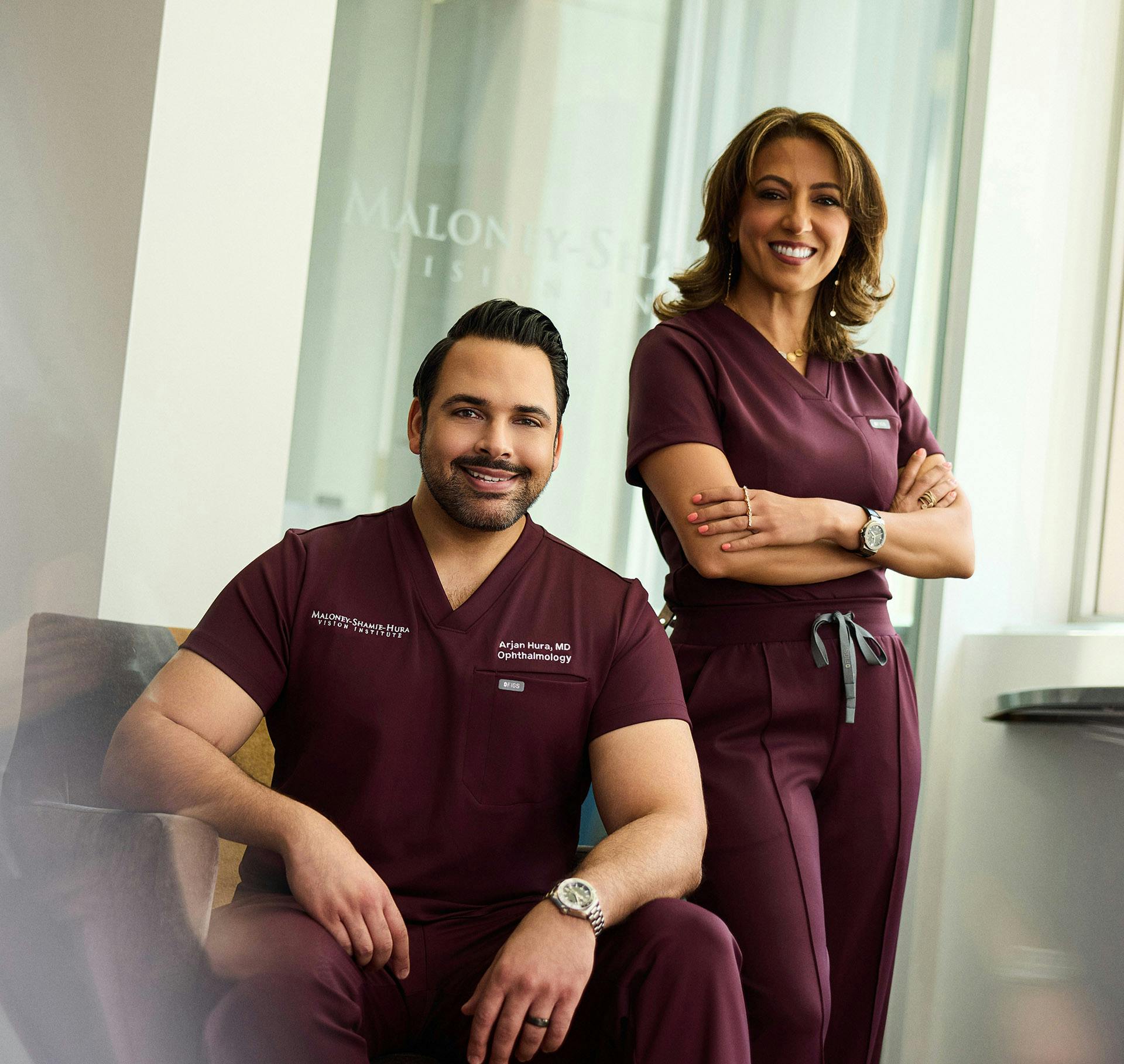
Our surgeons have performed thousands of advanced lens implant procedures and have deep expertise with the full range of Extended Range and premium IOL options. They take a highly individualized approach, your prescription, lifestyle, and visual priorities all factor into the recommendation. There is no one-size-fits-all lens, and you'll leave your consultation with a clear understanding of exactly why a specific option is right for you.

What Is the Difference Between Extended Range of Vision and Multifocal Lenses?

Multifocal lenses split incoming light into three distinct focal zones — distance, intermediate, and near. This can deliver excellent reading vision, but the light-splitting design causes some patients to experience halos and glare, particularly at night.
EDOF lenses use a single elongated focal point with a gradual shift in surface curvature, allowing the brain to transition across a continuous range of vision more naturally. Most patients adapt quickly, with significantly fewer nighttime visual disturbances.

The trade-off: EDOF lenses provide less near vision than multifocals, so some patients may still use reading glasses for fine print. For those who prioritize sharp distance and intermediate vision with minimal glare, EDOF is typically the stronger choice.

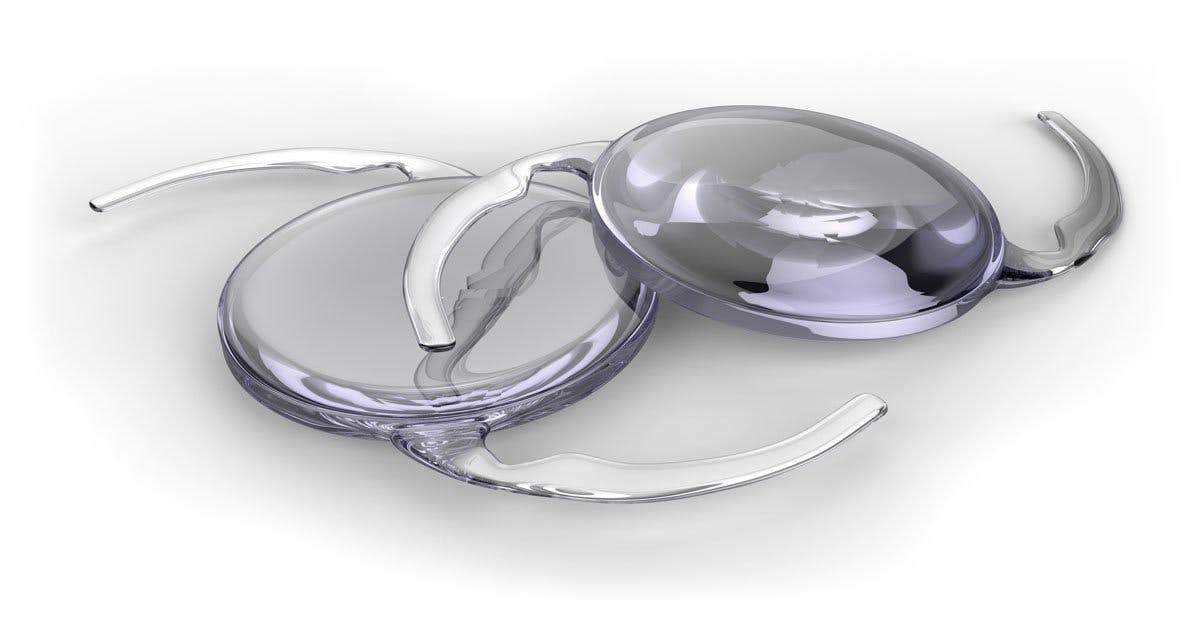
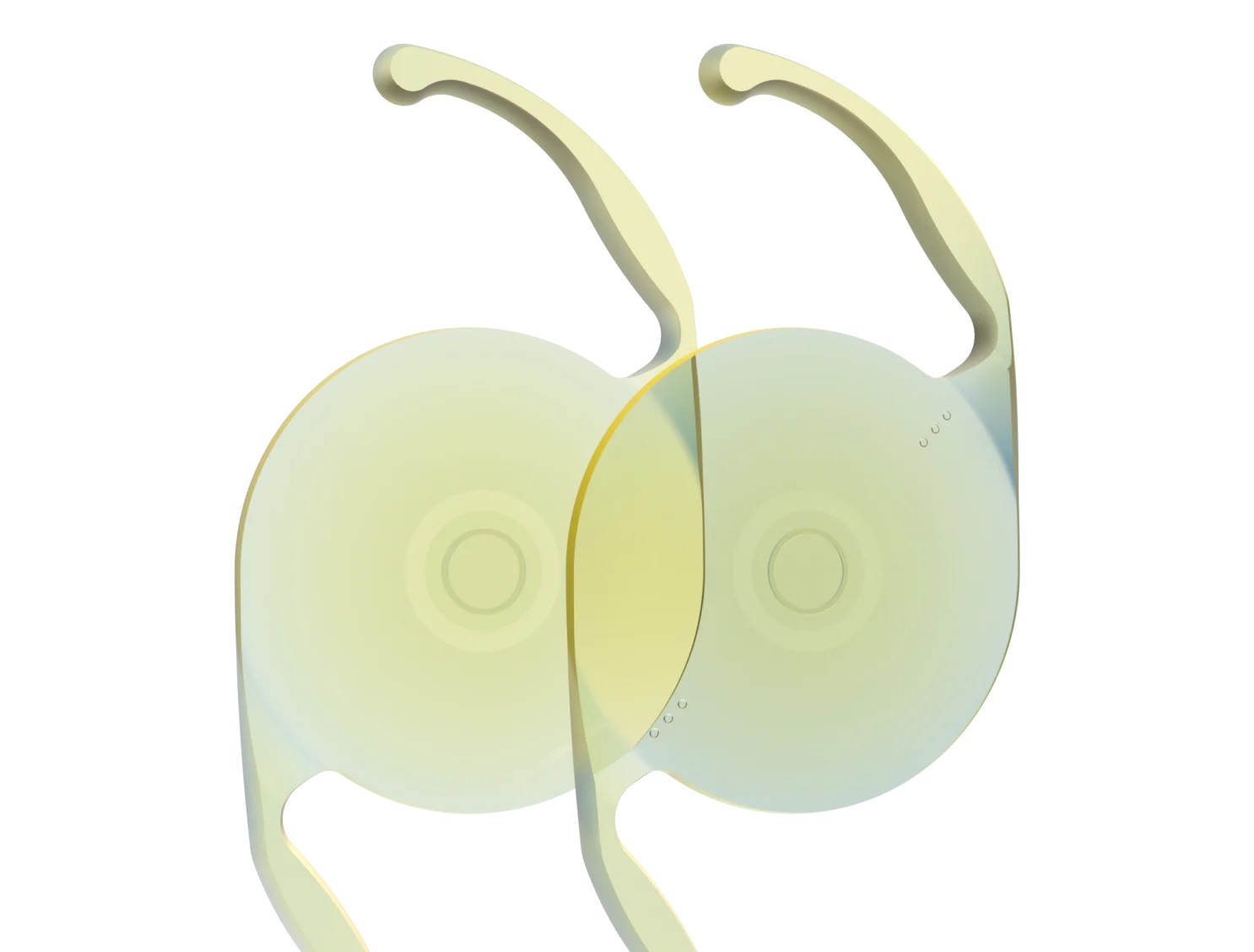
iol infographic

Vivity Extended Range Lenses

Dr. Shamie and Dr. Hura frequently recommend the Alcon Vivity lens, currently the most advanced EDOF lens available. Vivity uses proprietary X-WAVE technology, a non-diffractive design that stretches and shifts light rather than splitting it, producing a smooth, continuous range of vision without the optical trade-offs common to diffractive multifocal lenses. Vivity also includes built-in UV protection and blue light filtering — a meaningful benefit for patients who spend significant time on digital devices. For cataract patients seeking excellent distance and intermediate vision with minimal nighttime visual disturbance, Vivity is among the most compelling options available today.

Doctor media

LIFE · CLARITY · FOCUS Schedule Your EDOF Consultation & Comprehensive Exam

If you're facing cataract surgery, the lens you choose matters more than most patients realize. At MSH Vision, Dr. Shamie and Dr. Hura will walk you through every option — from standard monofocal lenses through our advanced options, like the extended range lens — and help you choose the right solution for your vision, your lifestyle, and your long-term goals.

Click To Schedule

Follow Us on Social Media Behind the Scrubs. Beyond the Website.

Get to know the people behind your care — patient stories, personal moments, and expert insights.

Ready to See More Clearly at Any Stage of Life?

Searching for your glasses on the nightstand, struggling with contacts during workouts, or noticing your vision becoming cloudy with age - these experiences are common. 

Today’s modern vision corrections procedures - Wavelight Plus LASIK, EVO ICL, Refractive Lens Exchange, and advanced lens laser cataract surgery have allowed tens of millions of people to achieve clearer vision while eliminating or reducing their dependence on glasses and contact lenses. 

Schedule a Consultation
Contact us media
Contact us media
Accessibility: If you are vision-impaired or have some other impairment covered by the Americans with Disabilities Act or a similar law, and you wish to discuss potential accommodations related to using this website, please contact our Accessibility Manager at (310) 882-6365.
Contact Us