Fuchs Dystrophy is a progressive corneal condition in which the cells responsible for keeping your cornea clear gradually break down, leading to blurred vision, glare, and discomfort that worsens over time.
Fuchs Dystrophy

Frequently Asked Questions About Fuchs Dystrophy

Support Groups
The Corneal Dystrophy Foundation, also called Fuchs’ Friends, is an internet support group for people affected by Fuchs Dystrophy, which enables people to discuss their experiences and exchange information with each other. More details, including how to join, can be found on the Fuchs Friends website.
Schedule a Consultation to Explore Your Options
Dr. Neda Shamie is a fellowship-trained cornea specialist and one of Los Angeles' most experienced surgeons in both diagnosing and treating Fuchs Dystrophy. If you've been told you have Fuchs — or are experiencing symptoms — we can help you understand where you are in the disease's progression and what options make sense.



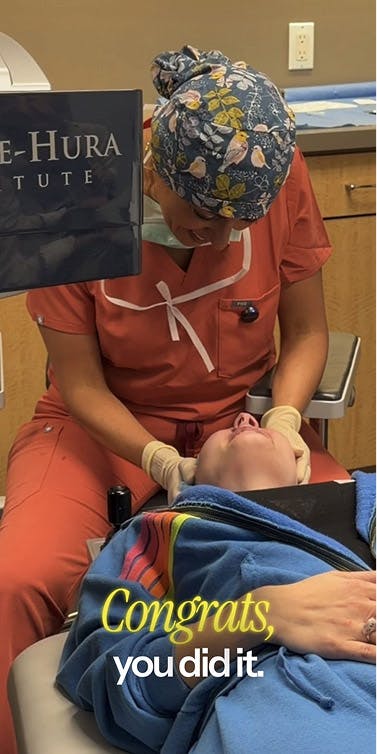
Follow Us on Social Media Behind the Scrubs. Beyond the Website.
Get to know the people behind your care — patient stories, personal moments, and expert insights.