Give Maloney-Shamie-Hura Vision Institute a phone call at (310) 882-6365
Book Now Opens in new window Contact

Understanding Hyperopia (Farsightedness)

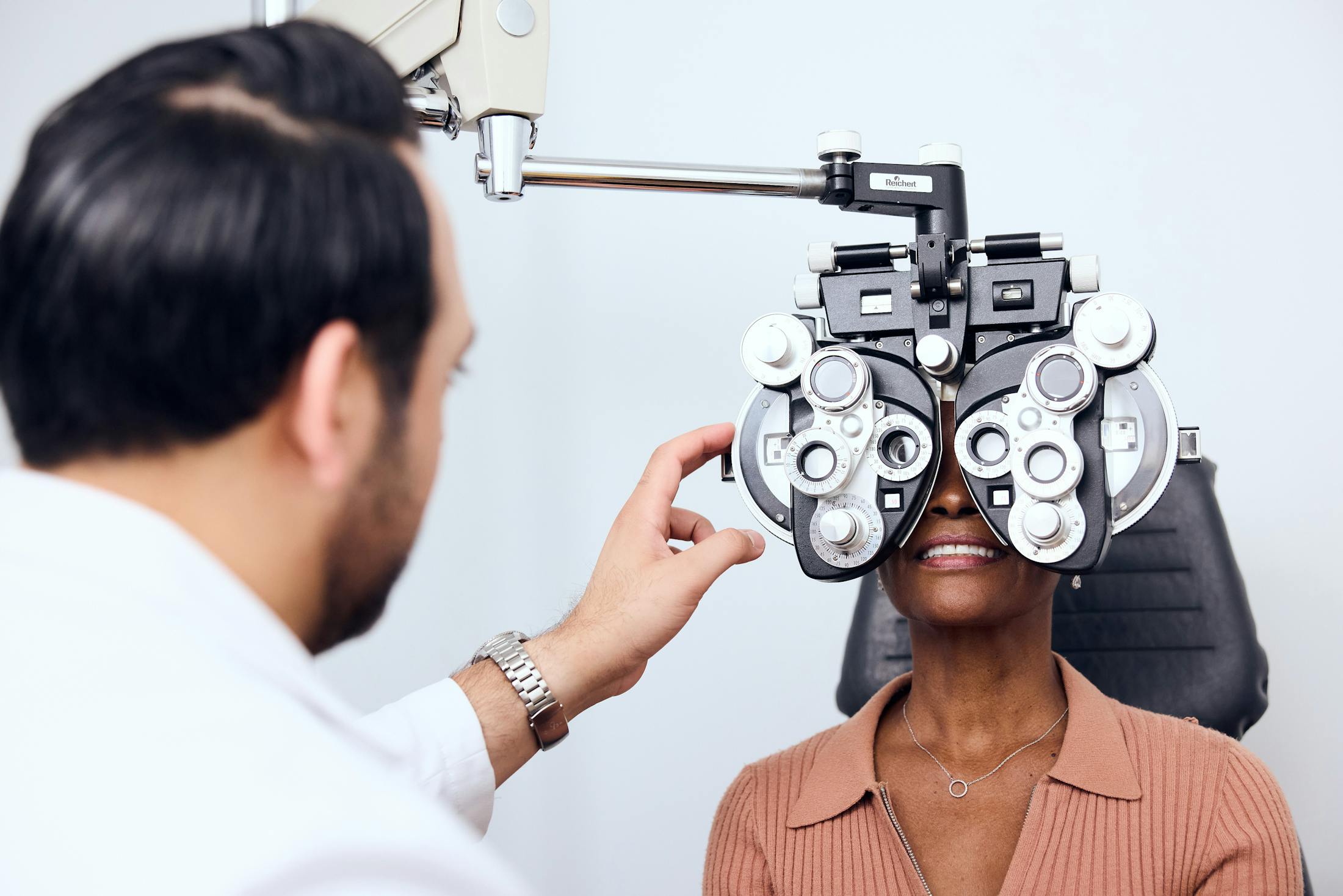
Hyperopia, commonly known as farsightedness, is a refractive error that makes nearby objects appear blurry while distant objects remain clearer. It occurs when the eye is shorter than normal or the cornea is too flat, causing light to focus behind the retina rather than directly on it. At Maloney-Shamie-Hura Vision Institute, our surgeons use advanced diagnostic imaging and surgical precision to correct hyperopia and restore balanced focus. Whether your vision has gradually worsened or you’ve relied on reading glasses for years, we offer customized treatments that match your eyes, age, and lifestyle.

Candidacy: Who Can Benefit from Hyperopia Treatment

Farsightedness affects both younger and older patients, often becoming more noticeable with age as the eye’s focusing ability declines. Many people are not aware they have hyperopia until eye strain or headaches develop from constant focusing effort. You may benefit from hyperopia treatment if you:

  • Have difficulty focusing on nearby objects such as text, screens, or menus
  • Experience eye strain or headaches after reading or computer work
  • Find that your vision blurs when you shift focus from far to near
  • Notice fatigue or tension around the eyes at the end of the day
  • Want to reduce dependence on glasses or contact lenses

During your consultation, your MSH Vision surgeon will evaluate your prescription, corneal shape, and overall eye health to determine which treatment options will provide safe, long-term improvement.


Banner media

Symptoms and Effects of Hyperopia

The effects of farsightedness vary by degree and by age. Younger eyes can often compensate by working harder to focus, while older adults experience greater difficulty due to reduced lens flexibility. Common symptoms include:

  • Blurred vision at near distances
  • Eyestrain or headaches after close work
  • Difficulty reading or using a computer
  • Fatigue or aching around the eyes
  • In children, frequent squinting or difficulty concentrating

Uncorrected hyperopia can lead to chronic eye strain and discomfort. In higher degrees, it can affect distance vision as well. Because the eye’s focusing muscles are constantly overworked, regular exams and timely correction are key to maintaining visual comfort.

close up on leaf

Schedule a Consultation

Contact Us
Contact media
Contact media

Treatment Options for Hyperopia

At MSH Vision, we provide a complete range of solutions for farsightedness—from glasses and contacts to advanced surgical treatments. Our approach begins with comprehensive diagnostics to identify the exact cause of the refractive error and continues with personalized recommendations tailored to your visual goals.

eye icon

Glasses and Contact Lenses

For mild to moderate hyperopia, prescription lenses can help redirect light to the correct focal point. Patients who seek convenience or visual freedom often explore surgical correction for a long-term solution.

eye icon

EVO ICL (Implantable Collamer Lens)

For patients with higher levels of hyperopia or unsuitable corneal thickness, EVO ICL offers an alternative to laser correction. The implantable lens provides precise focus, excellent clarity, and is completely removable if vision needs change.

eye icon

Refractive Lens Exchange (RLE)

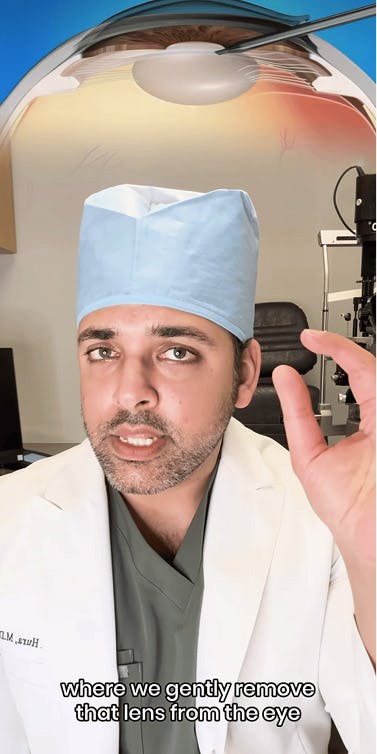
For patients in their forties or older, RLE replaces the eye’s natural lens with an advanced intraocular lens (IOL) that corrects hyperopia and other refractive errors. This approach also prevents cataract formation later in life.

eye icon

Comprehensive and Age-Appropriate Care

Because farsightedness often overlaps with age-related presbyopia, MSH Vision tailors each plan to your stage of life, ensuring that near, intermediate, and distance vision are all optimized.

eye icon

Laser Vision Correction (LASIK and PRK)

Laser treatments adjust the shape of the cornea to bring light into proper focus.

  • LASIK: Reshapes the cornea to improve near and distance vision with minimal downtime.
  • Wavelight Plus LASIK: Uses wavefront-guided technology to provide sharper results and enhanced night vision.
  • PRK: A surface-based laser option ideal for those with thinner corneas or higher prescriptions.

Frequently Asked Questions Hyperopia

Can hyperopia improve over time?

No. Farsightedness typically remains stable or gradually worsens as the eye ages. However, modern treatments can correct it permanently.

Is LASIK safe for hyperopia?

Yes. LASIK is one of the most common procedures for mild to moderate farsightedness, provided that corneal shape and thickness are suitable.

Will I still need reading glasses after treatment?

That depends on your age and the procedure performed. Patients in their forties or older may develop presbyopia, which can require reading correction later.

What if I am not a candidate for LASIK?

PRK, EVO ICL, or refractive lens exchange can all provide excellent results for patients who are not ideal LASIK candidates.

Does surgery for hyperopia last permanently?

Yes. The correction to the cornea or lens is permanent, though normal aging of the eye may still affect near focus over time.

Restore Your Vision with Precision and Care

Farsightedness can make even simple tasks feel challenging—but with today’s advanced vision correction options, clear sight is within reach. At Maloney-Shamie-Hura Vision Institute, we use proven technology, surgical precision, and patient-centered care to deliver lasting results you can trust.

Our team has helped thousands of patients regain visual freedom with safety, transparency, and expertise that define our practice. Schedule your hyperopia consultation today at MSH Vision in Los Angeles or Pasadena and take the first step toward clear, effortless vision.

Banner media

Follow Us on Social Media Behind the Scrubs. Beyond the Website.

Get to know the people behind your care — patient stories, personal moments, and expert insights.

Ready to See More Clearly at Any Stage of Life?

Searching for your glasses on the nightstand, struggling with contacts during workouts, or noticing your vision becoming cloudy with age - these experiences are common. 

Today’s modern vision corrections procedures - Wavelight Plus LASIK, EVO ICL, Refractive Lens Exchange, and advanced lens laser cataract surgery have allowed tens of millions of people to achieve clearer vision while eliminating or reducing their dependence on glasses and contact lenses. 

Schedule a Consultation
Contact us media
Contact us media
Accessibility: If you are vision-impaired or have some other impairment covered by the Americans with Disabilities Act or a similar law, and you wish to discuss potential accommodations related to using this website, please contact our Accessibility Manager at (310) 882-6365.
Contact Us