Give Maloney-Shamie-Hura Vision Institute a phone call at (310) 882-6365
Book Now Opens in new window Contact

Understanding Myopia (Nearsightedness)

Myopia, also known as nearsightedness, is a refractive error that causes distant objects to appear blurry while near objects remain clear. It occurs when the eye is slightly longer than normal or when the cornea has too much curvature, causing light to focus in front of the retina instead of directly on it. At Maloney-Shamie-Hura Vision Institute, our surgeons specialize in diagnosing and treating myopia through personalized solutions that fit each patient’s age, vision goals, and eye anatomy. Whether you want freedom from glasses or need to slow the progression of myopia, we offer advanced options backed by decades of surgical and clinical expertise.

Who Is Affected by Myopia

Myopia is one of the most common vision conditions, often developing during childhood or adolescence and stabilizing in early adulthood. However, it can progress at any age, especially with increased screen use or extensive close work. You may have or benefit from myopia treatment if you:

  • Have difficulty seeing road signs, television screens, or distant objects
  • Need to squint to see clearly at a distance
  • Experience eyestrain or headaches when focusing on faraway objects
  • Notice worsening vision over time or frequent prescription changes
  • Desire to reduce or eliminate dependence on glasses or contact lenses

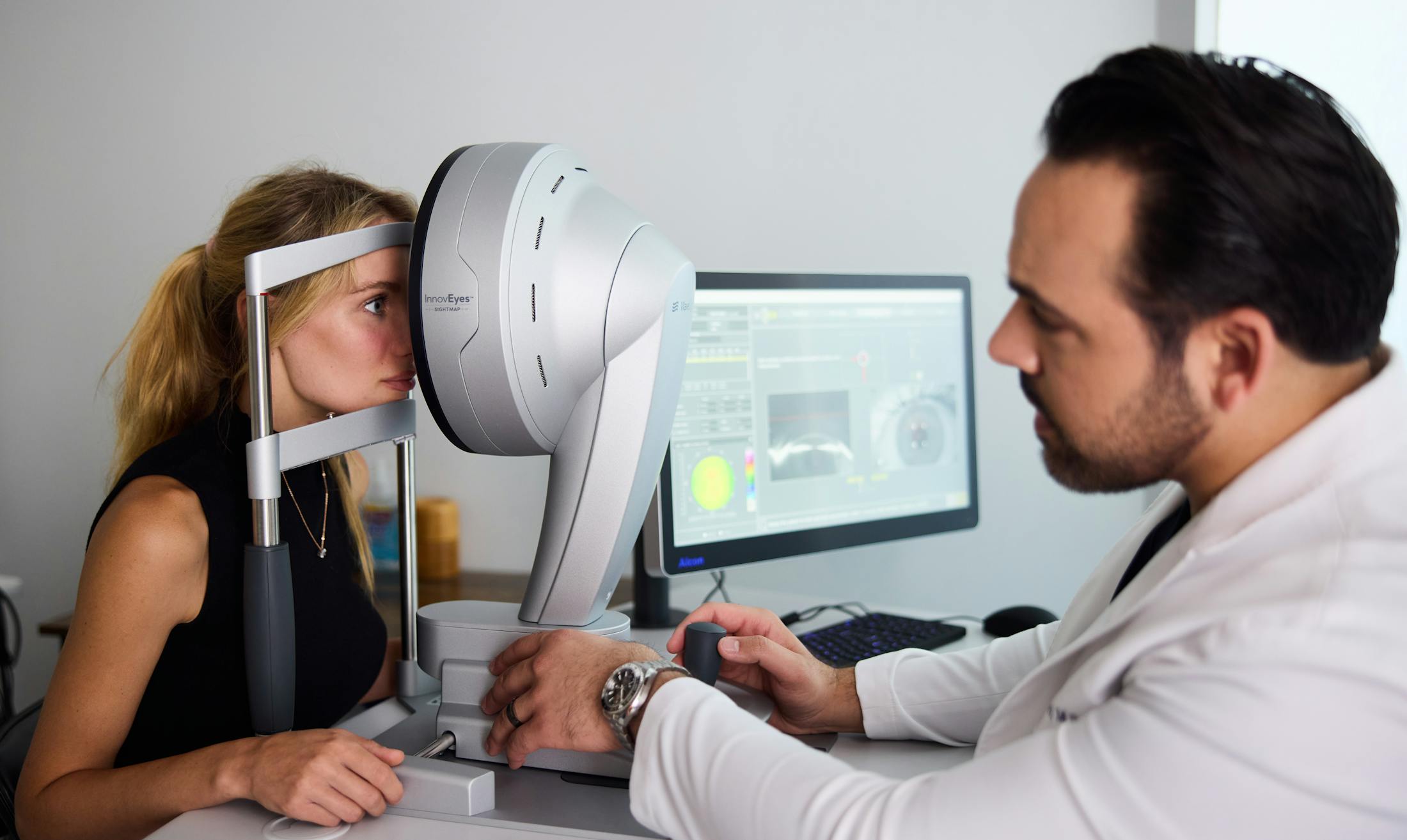
Our team uses advanced diagnostic imaging and corneal mapping to determine the degree of myopia and the health of your eyes, allowing us to recommend the best possible correction method.


Banner media

Symptoms and Effects of Myopia

The main symptom of myopia is blurry distance vision, but the condition can also lead to other visual issues and discomfort. Common symptoms include:

  • Blurred vision when viewing distant objects
  • Eyestrain, fatigue, or headaches after driving or watching TV
  • Squinting to improve focus
  • Reduced performance in night or low-light environments
  • Needing stronger prescriptions more frequently

When left uncorrected, higher levels of myopia can increase the risk of eye complications such as retinal detachment, glaucoma, or early cataracts. For this reason, early diagnosis and ongoing monitoring are essential.

little sapling with water droplets on it

Schedule a Consultation

Contact Us
Contact media
Contact media

Treatment Options for Myopia

At MSH Vision, we provide a complete range of treatment options to correct or manage myopia, from glasses and contacts to the most advanced surgical procedures. Our goal is to deliver clear vision with safety, precision, and long-term stability.

eye icon

Glasses and Contact Lenses

Prescription glasses or contact lenses remain a reliable way to correct mild to moderate myopia. For patients seeking convenience or long-term freedom from eyewear, surgical correction may be a better fit.

eye icon

EVO ICL (Implantable Collamer Lens)

For patients with moderate to severe myopia or those not suited for laser surgery, EVO ICL offers a reversible, lens-based alternative. The soft, biocompatible lens is implanted behind the iris to improve focus while maintaining the natural structure of the eye.

eye icon

Refractive Lens Exchange (RLE)

For older patients whose natural lens is beginning to lose flexibility, RLE replaces the eye’s lens with a customized intraocular lens that provides long-lasting correction and prevents future cataracts.

eye icon

Myopia Management for Younger Patients

In early or progressive myopia, our team may recommend specialty contact lenses or other management techniques to help slow the progression of nearsightedness and preserve long-term visual health. At MSH Vision, every recommendation is guided by your unique needs and the integrity that defines our care philosophy; we only suggest procedures we would choose for ourselves or our families.

eye icon

Laser Vision Correction (LASIK and PRK)

Laser procedures reshape the cornea to focus light correctly on the retina.

  • LASIK: Uses laser precision to reshape the cornea with rapid healing and excellent clarity.
  • Wavelight Plus LASIK: A customized version that maps your eye’s unique curvature for sharper, high-definition vision.
  • PRK: A surface-based laser option suitable for patients with thinner corneas or those who prefer a no-flap technique.

Frequently Asked Questions Myopia

Can myopia get worse over time?

Yes. Myopia can progress gradually, especially in children or adults who spend long hours on close work. Regular eye exams help monitor and manage changes.

Can myopia be cured permanently?

Laser or lens-based procedures can correct the refractive error permanently, though normal age-related changes such as presbyopia may still occur later in life.

Is LASIK safe for treating myopia?

Yes. LASIK has an excellent safety record and provides stable, lasting results when performed by experienced surgeons and after proper screening.

What if I am not a candidate for LASIK?

EVO ICL or PRK are excellent alternatives that correct myopia without removing corneal tissue. Your surgeon will help you decide which option best fits your eye health.

Will I still need glasses after treatment?

Many patients achieve 20/20 vision or better and no longer need corrective lenses. In some cases, light prescriptions may be required for fine-tuning specific tasks.

See the World with Clear, Confident Vision

Myopia does not have to limit your view of life. With the full range of proven treatment options and over twenty-seven years of experience, MSH Vision delivers the clarity, safety, and precision you deserve.

Our surgeons combine advanced technology with a commitment to integrity and personalized care, ensuring that every patient receives the right procedure for their unique eyes.

Schedule your myopia consultation today at MSH Vision in Los Angeles or Pasadena and take the first step toward clearer, sharper vision at every distance.

Banner media

Follow Us on Social Media Behind the Scrubs. Beyond the Website.

Get to know the people behind your care — patient stories, personal moments, and expert insights.

Ready to See More Clearly at Any Stage of Life?

Searching for your glasses on the nightstand, struggling with contacts during workouts, or noticing your vision becoming cloudy with age - these experiences are common. 

Today’s modern vision corrections procedures - Wavelight Plus LASIK, EVO ICL, Refractive Lens Exchange, and advanced lens laser cataract surgery have allowed tens of millions of people to achieve clearer vision while eliminating or reducing their dependence on glasses and contact lenses. 

Schedule a Consultation
Contact us media
Contact us media
Accessibility: If you are vision-impaired or have some other impairment covered by the Americans with Disabilities Act or a similar law, and you wish to discuss potential accommodations related to using this website, please contact our Accessibility Manager at (310) 882-6365.
Contact Us