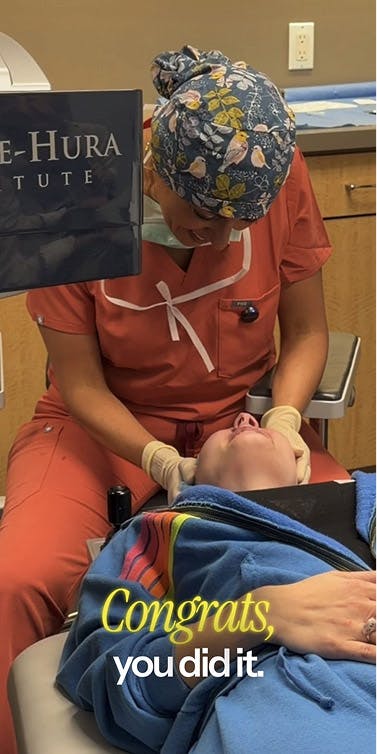
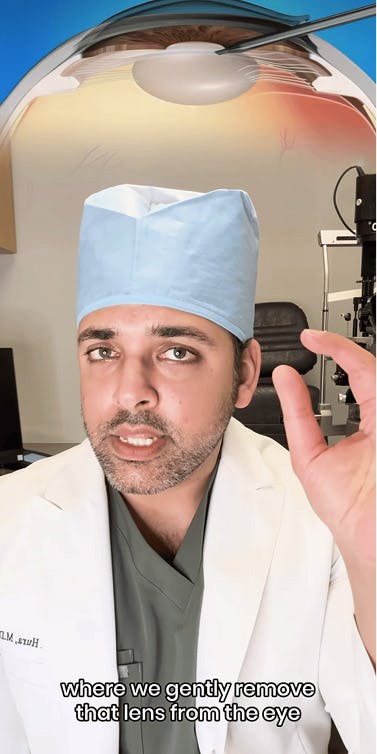
Stabilize and protect your vision with advanced keratoconus treatment and corneal cross-linking at MSH Vision.
Who Is Affected by Keratoconus?
Keratoconus typically begins in the late teens or early twenties and can progress over time. In most cases, both eyes are affected, although one eye may worsen faster. Early diagnosis is crucial, as treatment can prevent the condition from advancing to stages that require corneal transplantation. You may have keratoconus or benefit from evaluation if you:
- Experience increasing blurriness, ghosting, or glare even with updated prescriptions
- Have frequent changes in eyeglasses or contact lenses without stable improvement
- Notice increased light sensitivity or halos around lights
- Have been told you have irregular astigmatism
- Have a family history of keratoconus
- Are in your teens, twenties, or thirties and experiencing unexplained vision changes
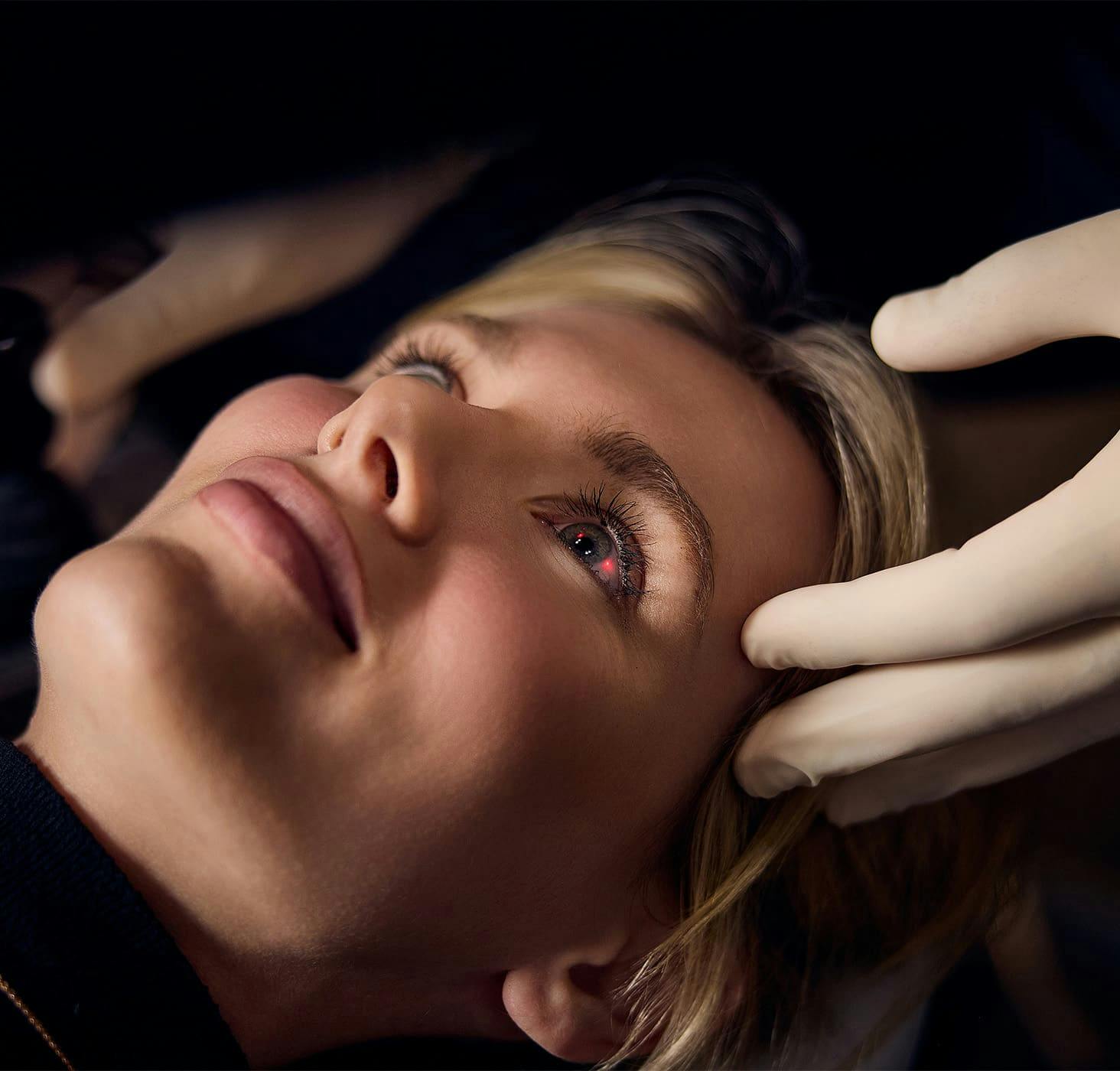
Our team uses advanced imaging systems such as corneal topography and tomography to detect even the earliest signs of keratoconus, often before symptoms become severe.